24/7 Mental Health Crisis Support in Denver
Need help right now?
If you or someone you know is experiencing a mental health or substance use crisis, call or text 988 or visit our 24/7 Walk-In Crisis Center.
WellPower offers 24/7 crisis care for people experiencing a mental health or substance use crisis in Denver. You do not need an appointment, insurance or a clear idea of what to ask for before reaching out.
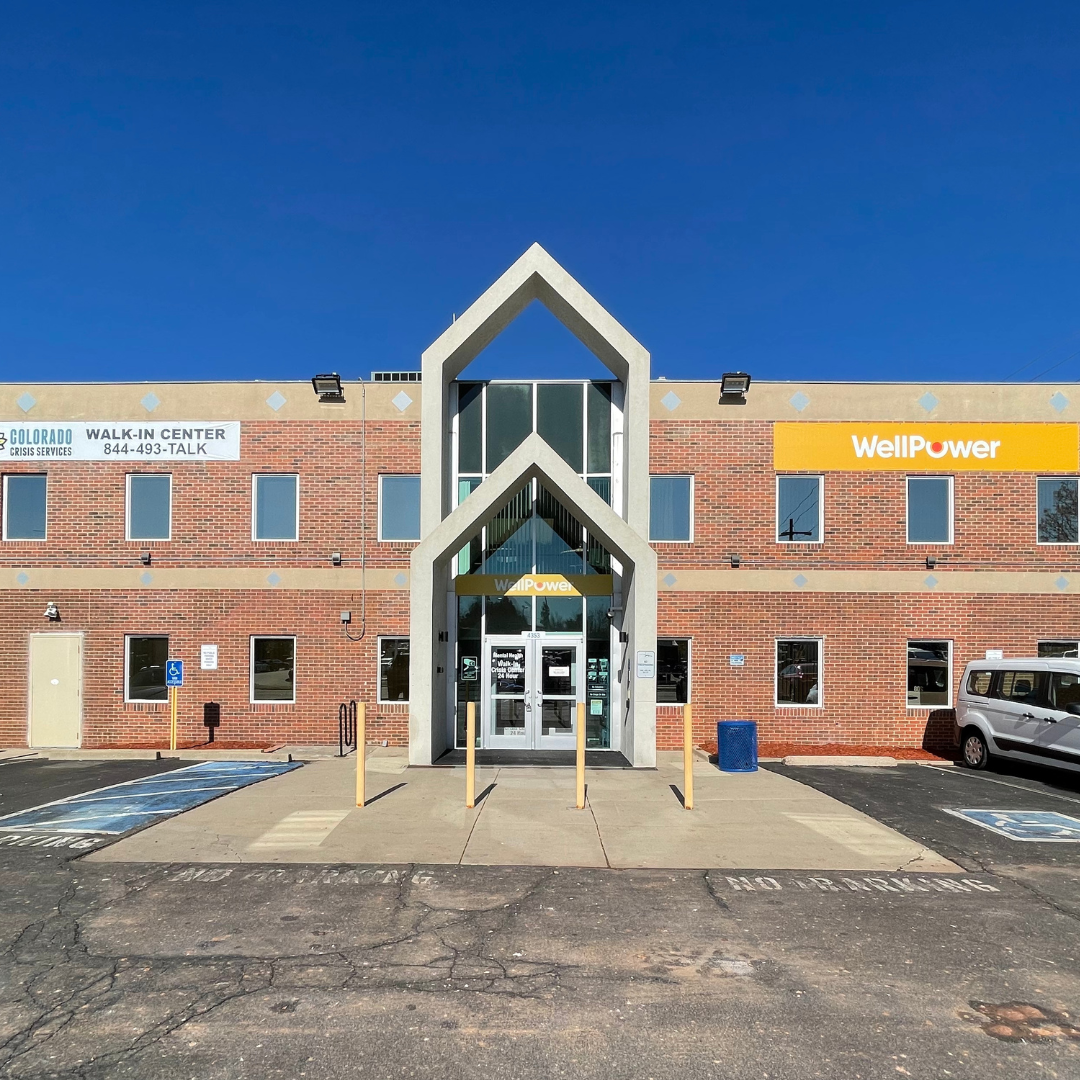
For emergency mental health servies, call or text 988 or live chat at 988colorado.com for free, immediate human support, or visit WellPower’s Walk-In Crisis Center at 4353 E. Colfax Ave. Find the location closest to you here. The center is open every day, all day, and is here to help people feel safer, supported and connected to the next right step.
The Walk-In Crisis Center is open 24/7/365 and provides in-person mental health crisis care, information and referrals right when you need it the most. Our services are voluntary and available to people of all ages, no matter your insurance coverage or ability to pay.
Get help now
- Call or text 988 or live chat at 988colorado.com. to connect with the Colorado Mental Health Line.
- Visit the 24/7 Walk-In Crisis Center at 4353 E. Colfax Ave. in Denver.
- If there is an immediate danger or medical emergency, call 911.
Please note: We are currently updating our phone system to provide a better experience. During this time, callers may experience higher than usual wait times. Thank you for your patience – your call is very important to us.
What does a mental health crisis look like?
A mental health emergency or crisis does not always look the same from one person to the next. For some people, it can feel sudden, intense and impossible to manage alone. For others, it can build over time until everyday tasks, relationships or personal safety start to feel harder to manage.
A crisis may involve:
- Panic
- Severe anxiety
- Overwhelming depression
- Thoughts of self-harm
- Substance use concerns
- Confusion
- Agitation or emotional distress after trauma
- Grief
- A major life change
You do not need to wait until things get worse to ask for help. If something feels urgent, unmanageable or unsafe, it is enough reason to reach out for mental health help. People often look for local mental health services when they are not sure what comes next. Crisis care is designed for exactly that moment. It helps people feel supported, reduce immediate risk and connect to the right next step in care.
What is a mental health crisis? How can WellPower help? Watch the video above to learn from Ellen Todd, WellPower's director of crisis services.
What to expect at the Walk-In Crisis Center
At WellPower’s Walk-In Crisis Center, care begins as soon as a person arrives. The center is open 24/7/365 for immediate in-person support during a mental health crisis or substance use crisis. No appointment is needed. Services are voluntary and available to people of all ages, regardless of insurance coverage or ability to pay. The goal is to create a safe place where people can slow down, be heard and begin to stabilize.
What happens when you check in?
- Staff help each person get checked in and understand what is happening right now.
- A brief screening or crisis assessment helps the care team learn about symptoms, safety concerns, medical needs and the kind of support that may help most in the moment.
This process is meant to guide care, not create barriers. People do not need to have all the right words. They just need a place to start.
From there, the focus turns to stabilization and next steps. Some people need a quiet place to talk through what they are feeling. Others may need help with:
- Safety planning
- Calming strategies
- Medication evaluation
- Connection to additional services
The experience is designed to be trauma-informed, respectful and practical so each person can leave with more support than they had when they walked in.
How does crisis care work?
Crisis services are tailored to what each person needs at that moment. Care may include a crisis assessment, brief therapy, peer support, information and referrals, safety planning and help connecting to follow-up care. In some cases, staff may recommend medication evaluation or a higher level of care. In other cases, the most important step may be helping someone breathe, regroup and reconnect with local mental health services that can support them after the immediate crisis has passed.
This kind of immediate support can help people avoid unnecessary emergency room visits and get care that is centered on mental health needs. It can also create a smoother path to ongoing counseling, psychiatry, substance use treatment, case management or community-based support. For many people, crisis care is the first step toward feeling safer, more grounded and more connected to help that lasts beyond the current moment.

When should you seek immediate mental health help?
If you are not sure whether a situation counts as a mental health crisis, it is still okay to ask for help. Immediate support is available by calling or texting 988 or live chatting at 988colorado.com, or by visiting WellPower’s Walk-In Crisis Center in Denver for in-person care.
If you are searching for emergency mental health services near me, local mental health services or 24/7 mental health help, reaching out now can be the first step toward relief, safety and connection to ongoing care.
Please note: We are currently updating our phone system to provide a better experience. During this time, callers may experience higher than usual wait times. Thank you for your patience – your call is very important to us.
Other ways we can help

Support Team Assisted Response (STAR)
STAR provides person-centric mobile crisis response to community members who are experiencing problems related to mental health, depression, poverty, homelessness, and/or substance use issues.
How to access: To contact STAR directly for yourself or another person in the City and County of Denver, please call (720) 913-STAR (7827). STAR operates Monday through Friday, 6:00 a.m. to 10:00 p.m.

Behavioral Health Solutions Center
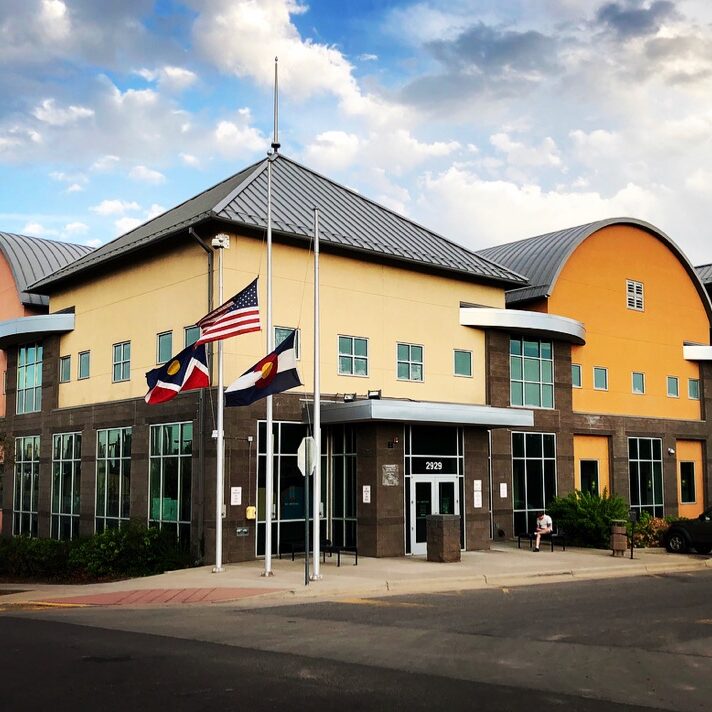
The Behavioral Health Solutions Center (BHSC) is a 24/7/365 first responder drop-off location for individuals in the community experiencing a behavioral health crisis.
The BHSC offers crisis assessments, referrals, medication evaluations, group and individual therapy, peer support, case management and a transitional shelter. Our program provides a crucial alternative to the emergency room or jail for people experiencing a behavioral health crisis.
How to access: First responders and referral sources can drop individuals off at the Behavioral Health Solutions Center at 29229 W. 10th Avenue, Denver, CO 80204 on the garden level. There is no public drop-off or walk-up access.
Co-Responder Program
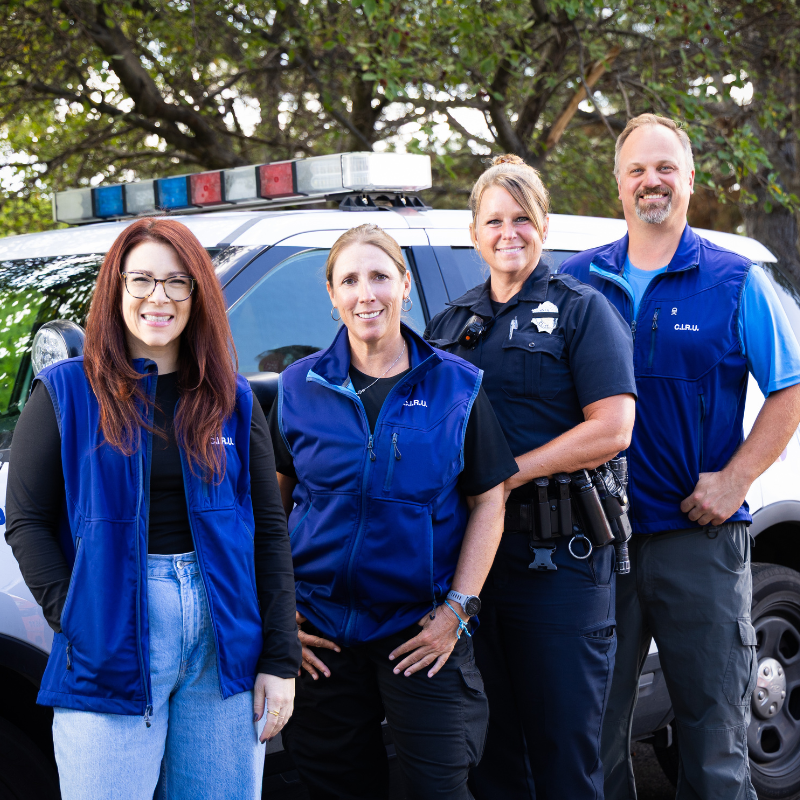
The Co-Responder program is a partnership between the Denver Police Department (DPD) and WellPower.
The Co-Responder program, also referred to as the Crisis Intervention and Response Unit (CIRU), are mental health professionals paired with various first responder departments (Denver Police, Denver Fire, Denver Sheriff's, and Denver Parks and Recreation) and work towards improving crisis response through supporting individuals that encounter first responders.
The CIRU strives to:
- Reduce the number of people with mental health issues in the jail system
- Improve information sharing and coordination across systems and service providers
- Reduce overall costs relating to people with mental or behavioral health concerns, including the use of emergency services