July 14, 2025 – Editor’s Note: While this program is no longer operating, we hope to start it again in the future. Looking to help WellPower continue crucial programs like this? Find ways to support us at this link and learn about how Medicaid funding makes a major impact on community mental health centers like ours.
Imagine traveling to a new city, hoping to start a new life, only to find yourself stranded, experiencing homelessness and completely alone. Without the means to get home, you feel hopeless and out of options. This was where WellPower’s Families Reunited program helped.
Providing hope
People can come to WellPower’s Walk-In Crisis Center for any self-defined crisis. Some people may show up because they’re experiencing thoughts of suicide. Others may be in the middle of a mental health challenge and have no idea how to cope.
Some people are just trying to get home.
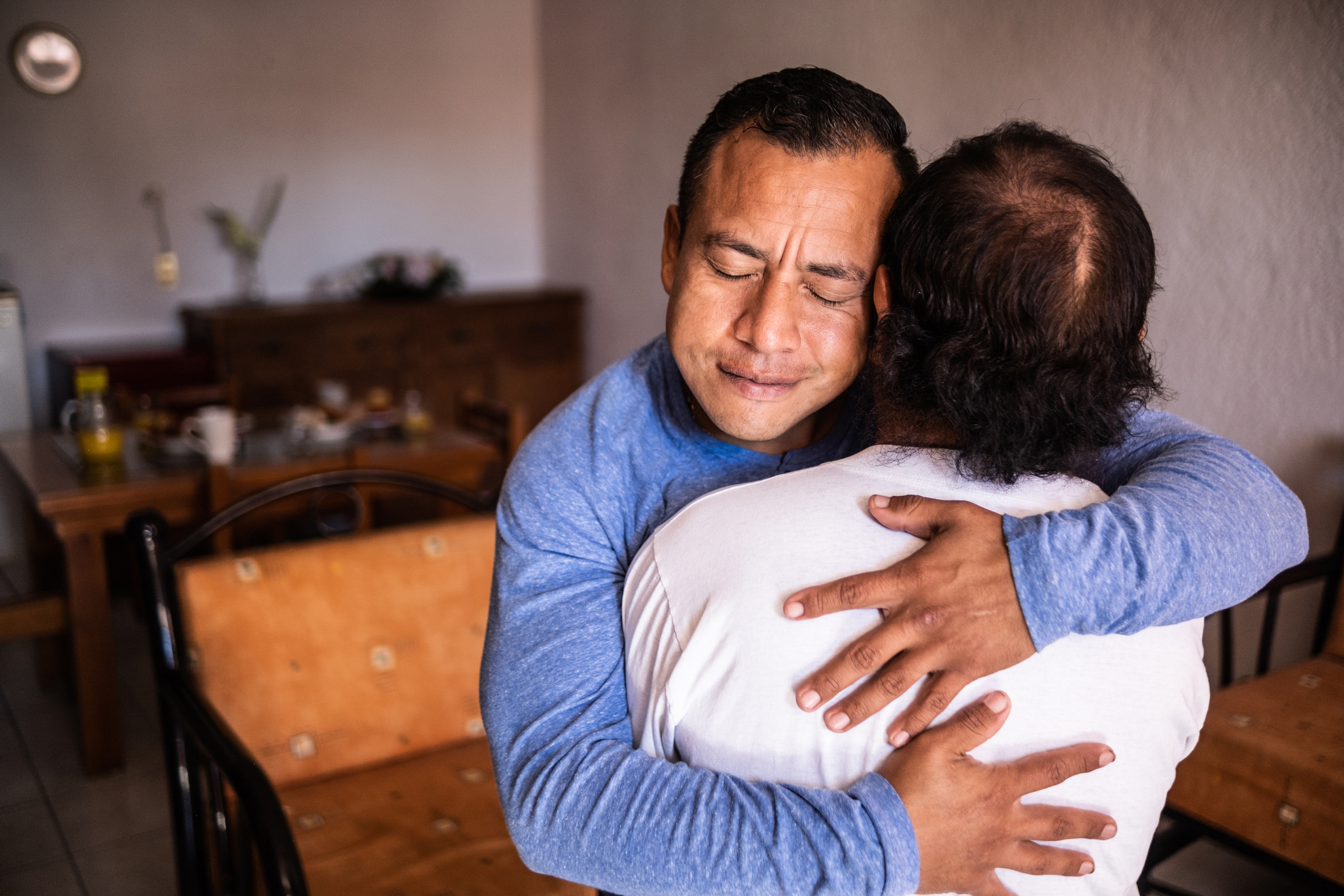
In 2016, WellPower peer specialist Andi Bankes received a grant to begin a program built for connecting people stranded in Denver who were trying to get back to their families in other states. For someone who feels they’re out of options and hopeless, the opportunity to be reunited with family can feel too good to be true – luckily, this fairy tale was real.
When a person came to WellPower’s Walk-In Center looking for a bus or plane ticket home, Bankes sat down with them to learn more about their life, how they got to this point and what’s waiting for them back home. Bankes knew that the success of the program was built on people having a safety net and a plan ready to go when they’re reunited with loved ones.
“We had a set of expectations for the Families Reunited program,” she said. “These were one-time tickets for each person served, so I had to make sure the people who used it wanted to get better and that they had the support they needed on the other side.”
Finding betterment
Last year, Bankes was able to give about 200 people tickets home. With rising costs of plane and long-distance bus fares, she was limited in how many people she can serve each month. That didn’t stop her from doing everything in her power to help, though.
“I experienced homelessness – I know what it’s like to feel like you’re out of options,” said Bankes. “When I couldn’t give someone a ticket, I always provided them with resources through WellPower, through other community supports or even just talking with them about how I got through my own experiences.”
“People had to be willing to engage with behavioral health treatment, meet the expectations of their family waiting for them and able to show kindness and respect for boundaries. I wasn’t just accountable to the person I helped, I was also accountable to the family taking them in, and I respected that.”
Bankes also ensured that people were welcome to request a ticket again in the future, if they couldn’t get one right away.
Achieving goals
One of Bankes’ favorite parts of her job were the letters she receives from the people she helped after they reunited with their families. Knowing that she helped them find a crucial piece in their recovery journey brought Bankes untold satisfaction.
“There are so many people who’ve sent me messages after they’re home and doing well,” said Bankes. “One story really stands out in memory. I remember helping this family of nine that were stranded in Denver with an unfixable van and no way to get home. I was able to get all of them tickets back to their state, and they were so grateful.”
Bankes has also received letters from individuals after they’ve gotten jobs, started recovery treatment for substance use or gotten housing for the first time in years.
“This was a program of achievement, I think,” she said. “These people were warriors. They fought for their lives and for what they wanted to be. The reality is that sometimes they still needed help. It made me so proud to give someone a ticket and hear back from them later that they were achieving their goals.”